In my previous report, I finished working on the Mac port of my strategic leaf-raking business simulation game, Toytles: Leaf Raking, and then I proceeded to work on the Android port.
I finished the Android work relatively quickly and started working on the iOS port by the end of the week.
Sprint 2026-MJ_12: Release SDL3 update version
Completed
- Ensure Android version can still be built/deployed
In progress:
- Ensure iOS version can still be built/deployed
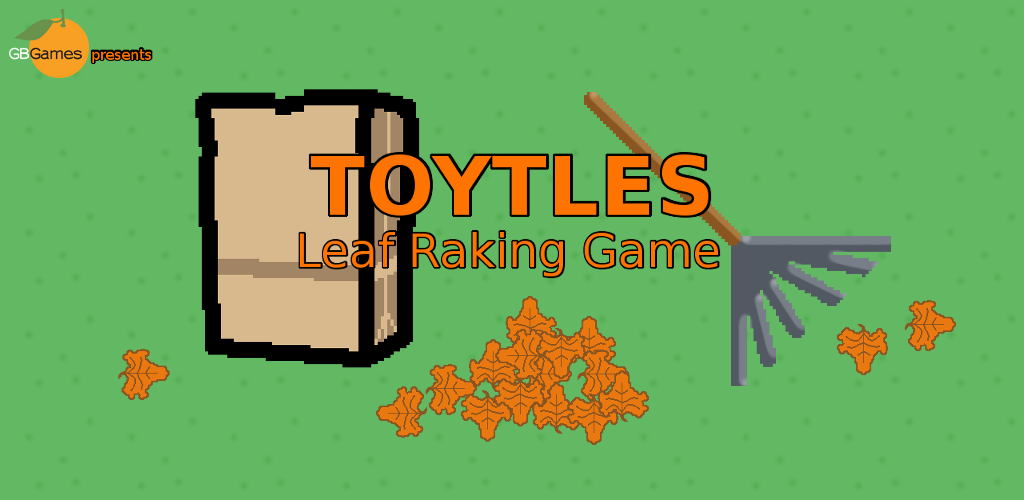
As I said last time, I had an Android port that was almost finished. I basically needed to test it out manually on my phone to make sure it worked correctly, then I created a bundle and submitted it to Google Play for review.
Then I spent the bulk of the week figuring out what I needed to change to get SDL3 libraries built for iOS. The documentation for SDL3 has suggestions for how to incorporate the library as a subdirectory or submodule of my project, but I would rather build the libraries separately, especially as I will be using these libraries in each of my apps. I should need to build the library for each one.
I had a script that basically built static SDL2 libraries that I incorporated into my app, but the downside was that I needed to build one set of libraries for an app for the iOS simulator to test in and a completely different set of libraries for an app for testing on an actual iPhone or iPad.
Apple allows you to create Universal libraries, but ever since the development of Silicon-based Macs, you couldn’t make assumptions that x86_64 was for the simulator and arm64 was for the iOS hardware.
However, apparently SDL3 allows you to create a very Universal .xcframework. That’s great, except I ran into trouble building it, both on my Intel-based Mac and the Mac in Cloud M2-based Mac, although for different reasons.
I was able to use my old Intel-based Mac Mini to work on the Mac port, but I ultimately ran into a problem in which SDL3 uses and expects newer iOS SDKs than my obsolete machine supports. And on the newer Mac, I ran into problems because it was depending on SDKs for platforms I don’t care about and don’t want to bother with, like visionOS or watchOS.
I will need to do most of my work with Mac in Cloud, unless I get myself a Silicon-based Mac. Either way, I’ll figure it out and hope that the SDL3 port for iOS doesn’t take too much longer.
Thanks for reading, and stay curious!
—
Want to learn about future Freshly Squeezed games I am creating? Sign up for the GBGames Curiosities newsletter, and download the full color Player’s Guides to my existing and future games for free!
One reply on “Freshly Squeezed Progress Report: Mobile Ports Are Mobilizing”
[…] time, I reported that I was working on the SDL3 mobile ports of my strategic leaf-raking business simulation game, […]